How Many Likes Do You Get on Hinge? The Real Numbers for Guys

Tyler
Founder & Lead Researcher
Quick Answer
Free Hinge users can send only a limited number of likes per day, commonly reported as 8, though Hinge no longer publishes a figure. There is no cap on likes received. Men in cities typically report one to two incoming likes per day and often far fewer, while women routinely report dozens. Half of all likes sent to men go to the top 15% of men.
Contents
Key Takeaways
Hinge caps how many likes you can send, not how many you can receive
Hinge's help center no longer publishes a number for the free daily send limit, despite the widely repeated 8-per-day figure
Men in cities self-report roughly 1-2 incoming likes per day; women in the same threads report 15-50 and occasionally hundreds
Half of all likes sent to men go to the top 15% of men, and the top 1% receive over 16% of all likes
The target is clearing the top 15%, and photo quality is the variable that moves it
"How many likes do you get on Hinge" is two different questions wearing the same words, and the one you're asking changes the answer completely.
If you mean likes you can send, free accounts get a small daily allowance. It's widely reported as 8 per day. Hinge itself no longer publishes a number.
If you mean likes you receive, there is no cap at all. That second number is the one that decides whether Hinge works for you.
Most articles answer the first question and stop, because the first question has a tidy answer. The second one doesn't, so nobody writes it up. Here are both, with the data.
What Hinge officially says about likes
Hinge's help center is precise about some things and deliberately vague about others.
On sending, the Subscription and Purchase Benefits page (last updated July 10, 2026) says exactly this: "Free users of Hinge can send only a select number of likes per day." That's the entire statement. No number.
Almost every article you'll find asserts 8 likes per day with total confidence. That figure has been consistent in user reports for years and it's still what most free users see. But it is an observed number rather than a published one. Hinge has stopped committing to it in writing, and daily allowances have been adjusted before. If yours looks different from 8, that's normal. The number was never a promise.
Hinge+ and HingeX subscribers send unlimited likes.
On receiving, Hinge documents no limit whatsoever. From the Likes page: "When someone likes you, a numerical badge will appear on your Likes You tab." Free users view one incoming like at a time. Subscribers see everyone at once.
So sending is capped and receiving is open-ended. Nobody is throttling how many likes you get. If the number is low, the profile is the constraint.
How many likes the average guy actually gets
There is no official Hinge figure for this. What exists is self-reported data from the places men answer honestly, and it's remarkably consistent in shape even though the individual numbers vary wildly.
On r/hingeapp, men in major cities describe getting one or two likes per day and treating that as a good stretch. On Blind, a 28-year-old man summarized his account as "like 2 or 3 likes per month." On Fishbowl, women answering the identical question reported 15 to 50 per day, and one 25-year-old woman in New York reported 600.
Those are two different products sharing a logo.
The wide variance in men's numbers is the real signal. Women's reports cluster high regardless of anything. Men's reports span three orders of magnitude, which means the outcome is being driven by something that differs from profile to profile. Only one thing on a Hinge profile varies that much in quality.
Why the distribution is so lopsided
Hinge ran this analysis internally. Aviv Goldgeier, an engineer at the company, measured how likes are distributed across the app, and Quartz published the results.
The top 1% of men receive more than 16% of all likes sent by women. For women, the top 1% receive just over 11% of the likes sent by men. Quartz also converted the spread into a Gini coefficient, the standard measure of income inequality, where 0 is perfectly equal and 1 means one person has everything. It put the male like economy at 0.73 and the female like economy at 0.63.
The more useful number in that analysis is this one: half of all likes sent to men go to the top 15% of men.
Fifteen percent is the line you're actually trying to cross, and it sits a long way below the top 1%. Clearing it is mostly a presentation problem.
The same pattern shows up in national survey data
This is bigger than a Hinge quirk. Pew Research Center's 2023 survey of U.S. online daters found 55% of current or recent dating app users had at least sometimes felt insecure about how few messages they received, against 36% who felt overwhelmed by how many. Women were far more likely to report feeling overwhelmed. Men were far more likely to report feeling insecure.
So if Hinge feels like a ghost town, you're having the median male experience. That's the good news and the bad news at once. The problem is structural, and structural problems sit there until something changes.
What actually determines your number
Hinge shows one profile at a time, not a grid. Every person who sees you makes a single yes-or-no decision, and the first photo carries almost all of it. Your prompts get read after she's already decided she's interested, if at all.
That means your like count is roughly a function of two things: how many people see you, and what percentage of them like your first photo. You don't control the first one much. You control the second one completely.
This is why the bio-and-prompts tinkering most guys spend their time on produces almost nothing. It's downstream of a decision that's already been made. Our guide to dating profile pictures covers the mechanics, and we've written separately about the brutal importance of dating profile pictures. Hinge's one-at-a-time format makes it more extreme than anywhere else.
The corollary is the part guys don't want to hear. If you've been on Hinge for six months with the same six photos, you have not run six months of a fair experiment. You've run one experiment, six months long, with a sample size of one profile.
How to raise the number
In order of impact.
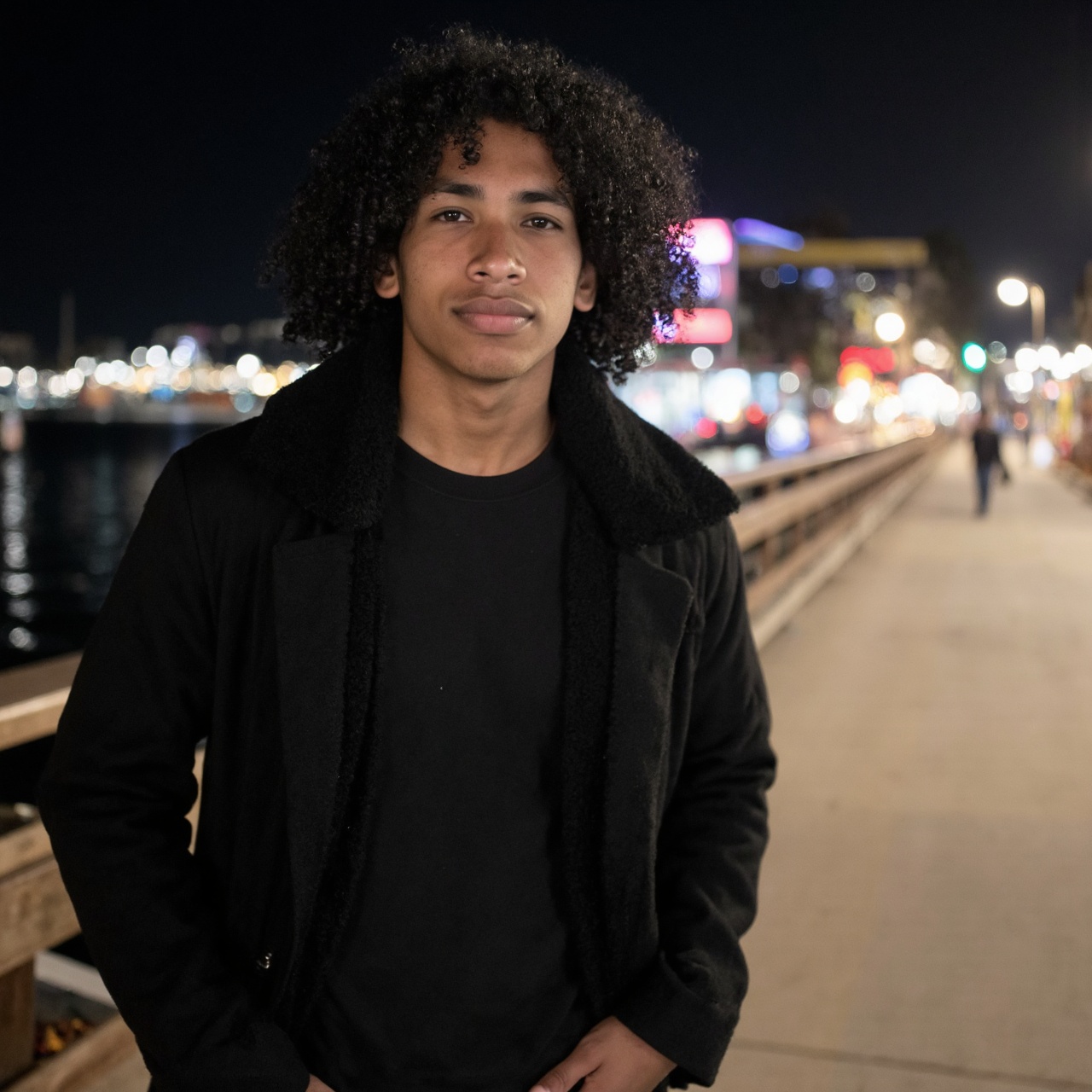
Start with the first photo before you touch the bio. You want a clear, well-lit, waist-up shot where your face is unobstructed and you're the only person in frame. If your current opener is a group shot, a sunglasses shot, or a mirror selfie, you're losing likes before anyone knows anything about you.
Shoot on the back camera. The front camera is lower quality, and the wide angle distorts your face at selfie distance. Nothing else on this list is as cheap or as effective.
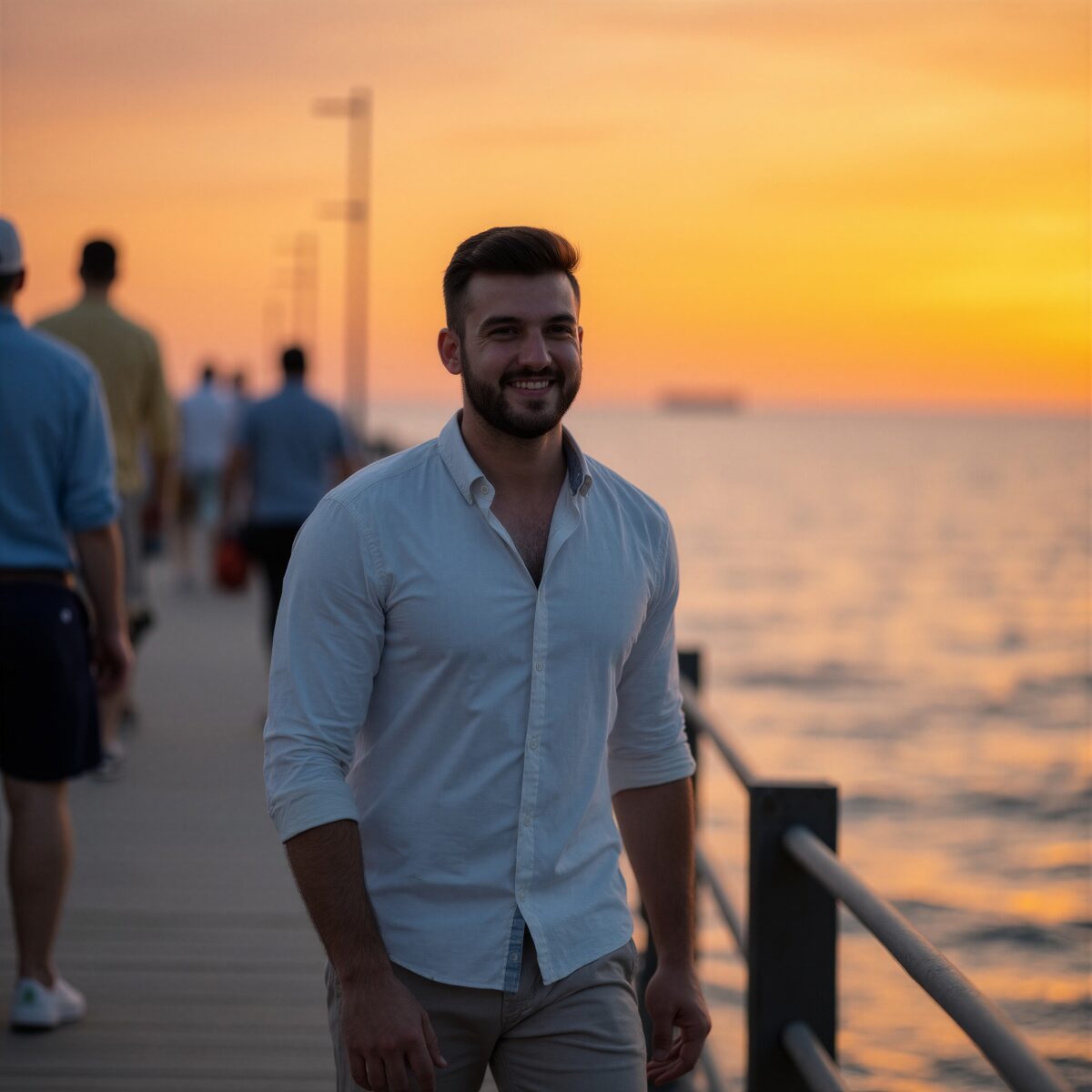
Shoot at golden hour, the hour after sunrise or before sunset. Soft directional light does more for a face than any editing app.
Use 2-3x zoom. Standing further back and zooming in compresses facial features flatteringly. Shooting close on a wide lens does the opposite.
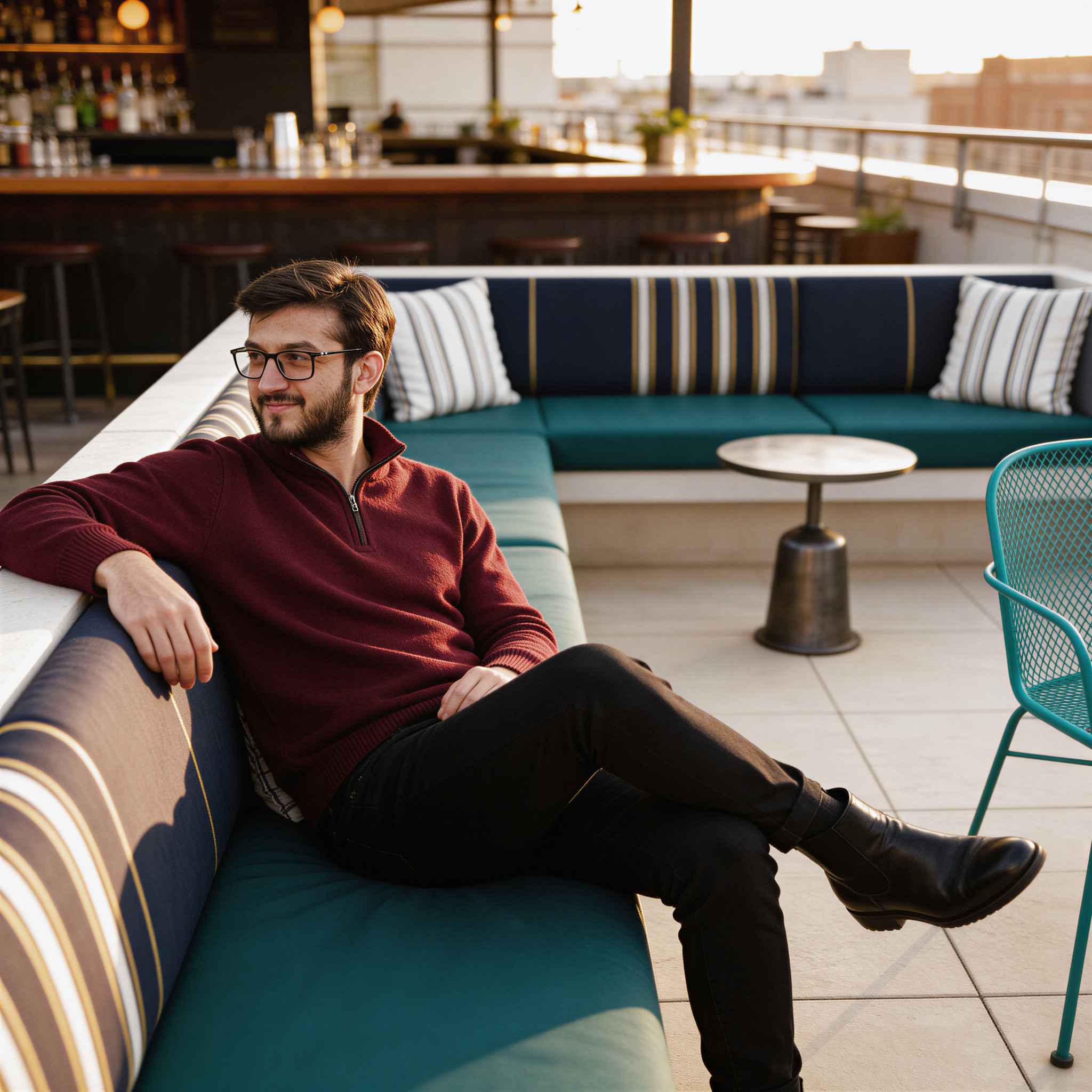
Get variety across the six. One clear face shot, one full-body, one social, one doing something you actually do. Six near-identical photos give her five chances to find a reason to swipe past and no new information.
Then re-run the experiment. Change the photos, give it two weeks, count the likes. That's the only feedback loop that means anything. Reddit comments telling you that you look fine are not data.
If you want the fuller version, we've covered the best dating photos for guys in depth.
What not to spend money on first
Buying visibility before fixing the photo is the most common way men waste money on dating apps, and the arithmetic is simple.
A boost multiplies how many people see your profile. It does nothing to how they react to it. HingeX includes what Hinge describes as a light, always-on version of Boost, so more people see you around the clock. But if 1 in 200 people who see your first photo like it, showing it to ten times as many people gets you ten times as many people scrolling past. You've paid to widen the top of a funnel that's leaking at the bottom.
Fix the like rate, then buy the impressions. In that order, the same money does considerably more.
The shortcut, if you don't have a camera or a photographer friend
For most men the obstacle is logistics. Booking a photographer runs into hundreds of dollars and a scheduled afternoon, and most guys will never do that on the chance it improves a dating app.
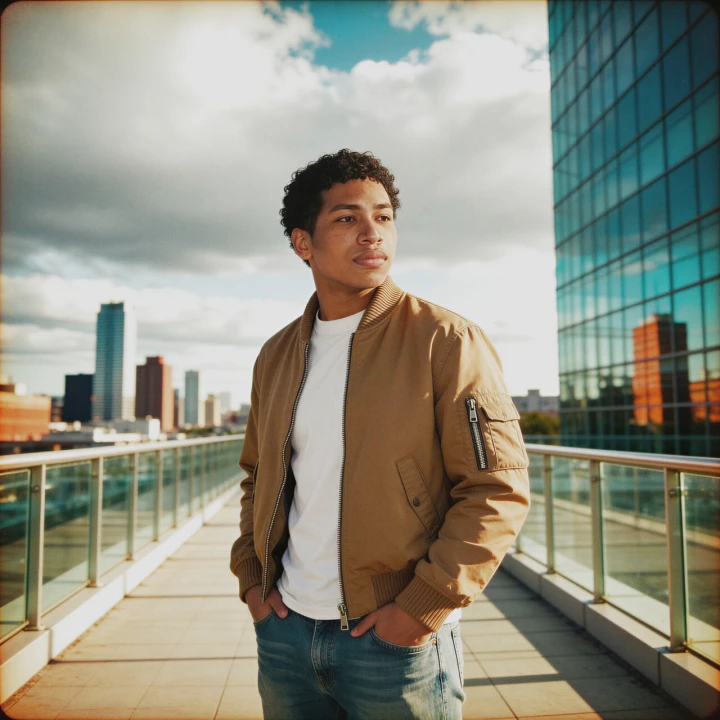
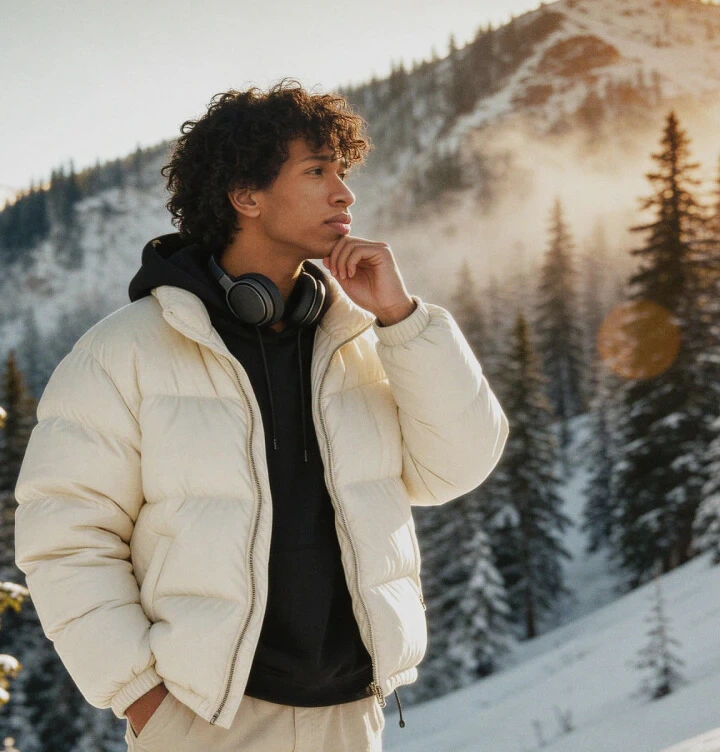
That gap is what DatingShoot exists to close. You upload photos you already have, we train a model on your actual face, and you get 200+ studio-quality photos of yourself in real scenarios, delivered the same day in about four hours. Facial recognition verification keeps the photos recognizably you, which is the entire difference between a better photo and a catfish. If you're wondering whether that's allowed, we covered whether you can use AI pictures on dating apps separately. The short version is yes, provided they're actually you.
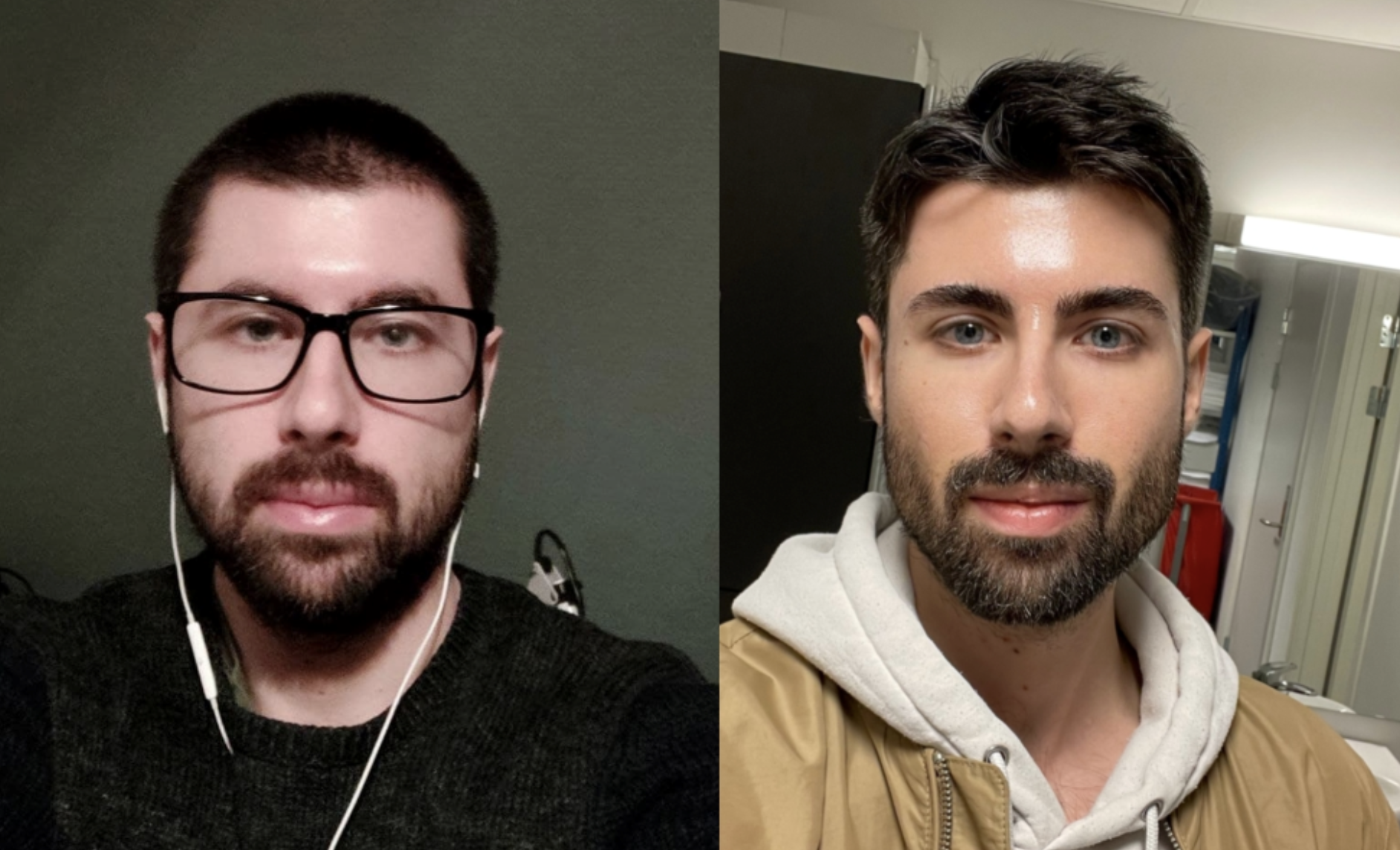
Across the profiles we've worked on: 4x to 11x more matches on average, 7.9x more opening messages, and a 3.2-point lift in attractiveness ratings scored by 18-24 year old women on Photofeeler. Same face. Different photos.
The distribution really is that brutal. It's also a distribution of photographs, which is the part you can change.
The short version
Free Hinge users can send a limited number of likes per day, commonly 8, though Hinge no longer publishes the figure. There is no limit on likes received. Men in cities typically report one or two per day and often far fewer, while women routinely report dozens. Half of all likes sent to men go to the top 15% of men, so the target is clearing a bar that most men fail on photo quality alone. Change the first photo, wait two weeks, count again.
Want Photos That Get Matches?
Our AI generates 200+ professional dating photos of YOU. Ready in 3 hours.


Frequently Asked Questions
How many likes a day do you get on Hinge?
Free Hinge accounts can send a limited number of likes per day, most commonly reported as 8. The official Hinge help center says only that free users can send a select number of likes per day, without stating a figure. Hinge+ and HingeX subscribers can send unlimited likes. There is no limit on the number of likes you can receive.
What is the 8 rule on Hinge?
It refers to the 8 free likes per day that Hinge has historically given free accounts. It is a user-observed figure rather than an official one. The current Hinge documentation does not commit to a specific number, so your allowance may differ.
Do Hinge likes reset every day?
Yes, the send allowance refreshes on a daily cycle. Hinge does not publish the exact reset time in its help center, and users commonly report it resetting in the early morning local time.
How many likes is normal for a guy on Hinge?
There is no official figure, but self-reported numbers cluster low. Men in major cities commonly describe one or two incoming likes per day, and plenty report two or three per month. The wide spread between men is the important part: it is driven by profile quality, not by the app.
Do women get more likes than men on Hinge?
Substantially more. In threads where both genders answer the same question, women report 15 to 50 incoming likes per day, with individual reports in the hundreds, while men report one or two per day. An internal Hinge analysis found that likes are distributed far more unequally among men than among women.
Is there a limit to how many likes you can receive on Hinge?
No. Hinge documents no cap on incoming likes. Free users view one incoming like at a time, while Hinge+ and HingeX subscribers can see everyone who has liked them at once, but neither changes how many likes arrive.
Why am I getting no likes on Hinge?
Hinge shows one profile at a time, so your first photo carries almost the entire decision. If your first photo is a group shot, a mirror selfie, or an unclear face shot, you lose the decision before your prompts are ever read. Replacing the first photo is the single highest-impact change available to you.
Does paying for Hinge+ or HingeX get you more likes?
It gets you more visibility, not a better response rate. HingeX includes what Hinge describes as a light, always-on version of Boost, which shows your profile to more people. If your first photo converts poorly, more impressions simply means more people scrolling past. Fix the photo first, then buy the reach.
Tyler
Founder & Lead Researcher
I've spent thousands of hours analyzing dating profiles, studying what separates high-performing photos from the rest, and researching the psychology behind first impressions on dating apps. My obsession with understanding what actually works led me to build this platform—combining everything I've learned about lighting, angles, expressions, and authenticity into AI-powered photos that help guys present their best selves.